

Have you ever thought a little trick might change the way you spend your money? Using different envelopes for your cash might just be that trick. It means you set aside cash for things like groceries, going out, or a little fun treat. Suddenly, you get a clear picture of where every dollar goes, and it's easy to spot when you're spending too much. With a few simple steps, this envelope method can guide you toward real financial freedom.
envelope budgeting: Quick tips for financial freedom
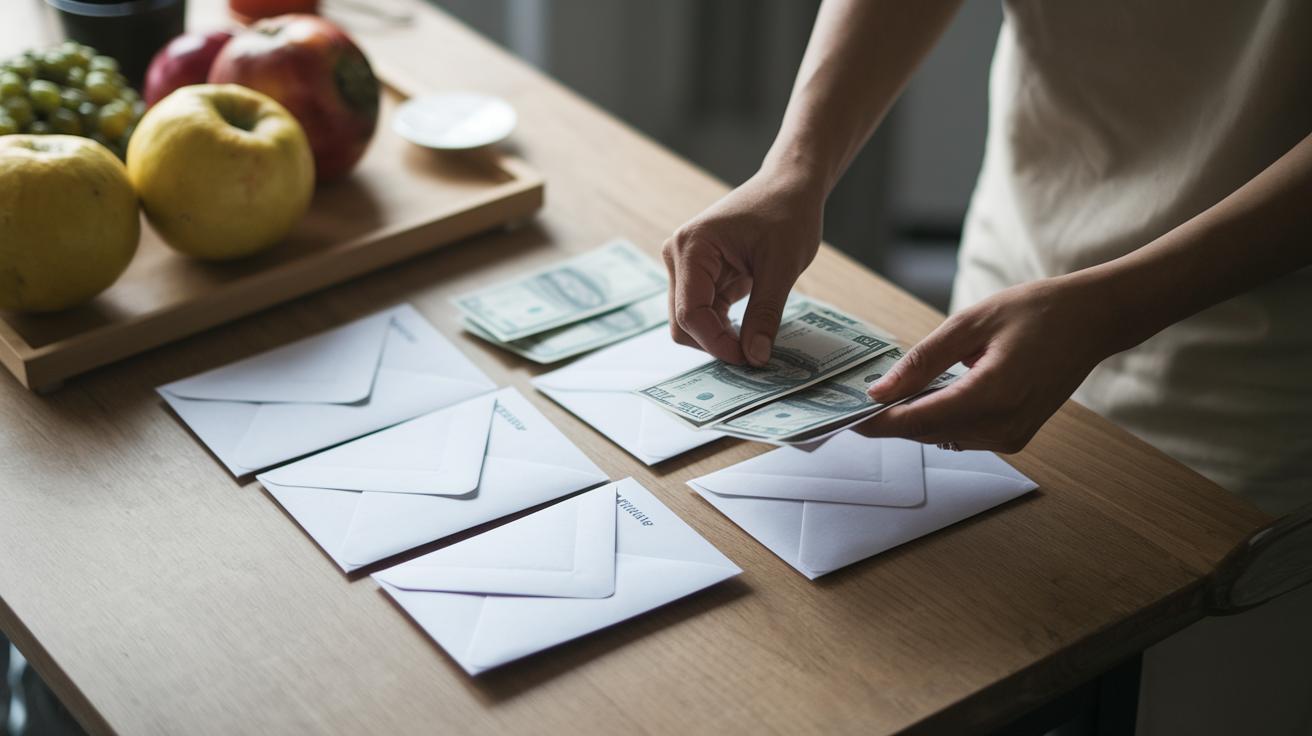
Envelope budgeting is a straightforward way to manage your money by setting aside a fixed cash amount for each spending area each month. You simply divide your cash into separate envelopes for items like groceries, dining, and fun outings, while handling fixed bills like rent and utilities separately. This clear split helps you avoid mixing money for bills with cash earmarked for other expenses.
Using real cash can really keep you in check. When you notice an envelope running low, it's a clear sign to slow down on spending. Imagine opening your grocery envelope only to find it empty; it’s like a little alert, gently reminding you to pause before making another quick buy.
Here are a few tips for making envelope budgeting work for you:
- Set amounts that match your income.
- Keep your fixed bills separate so your envelopes focus on flexible spending.
- Have a separate envelope for unexpected costs.
- Revisit and adjust the amounts each month as your spending habits change.
For instance, say you budget $250 for groceries each month. You might decide one person gets $150 and the other $100, based on individual needs. Many people share that before they started using envelopes, they struggled to control their spending until they could see their cash disappear.
Ultimately, envelope budgeting is all about keeping you accountable and clear about where your money goes. Each time you track your cash, you build stronger habits that bring you one step closer to financial freedom.
Step-by-Step Tutorial for Envelope Budgeting Setup

Start by figuring out how much money you have available each month. Look at your income and write down the different spending areas you want to cover. For example, if you set aside $250 for groceries, decide how to divide it. Maybe split it equally so each person gets $125, or adjust it to fit your shopping habits, kind of like making sure both you and your partner feel equally responsible.
Next, label each envelope with a clear name. Use tags like groceries, dining, transportation, or even a "miscellaneous" envelope for those surprise expenses. This way, when unexpected costs pop up, you won't mix that cash with your planned spending.
Then, at the beginning of each month, put the right amount of cash in each envelope based on your realistic budget. If you're new to this, try using a simple printable template to set up your envelopes, it can make things much easier and help you get started without missing any steps.
Finally, once the envelopes are ready, use only the cash inside each one. This method makes it clear what your spending limits are and helps you stick to them. And if you need extra help tracking everything, a Monthly Budget Template Excel can be a handy tool to keep an eye on your envelope amounts over time.
Benefits and Challenges of Envelope Budgeting

Envelope budgeting brings cash to life, you physically feel the money leaving your hand with every purchase. It’s like when you open your dining envelope and see just a bit of cash left, a gentle reminder to slow down and think twice before spending more. And if you end up with extra cash by month’s end, that little bit can become the starting point for next month’s budget or a simple reward for practicing self-control.
This method also invites you to reflect on your spending habits. Picture setting aside $250 for groceries and watching as each family member’s needs deplete that amount, it makes it crystal clear when funds are running low. It’s all about building better saving habits, turning your cash into a thoughtful checkpoint rather than just a number on a screen.
But here’s the catch: keeping up with envelope budgeting means sticking to strict rules. Shifting cash between envelopes when one runs dry can weaken the whole system. Also, in today’s digital world, where many transactions happen online, keeping track of cash can be tricky. Adapting envelope budgeting for digital spending may take a bit of extra care and diligent record keeping.
Digital Envelope Budgeting: Modern Cash Management Solutions
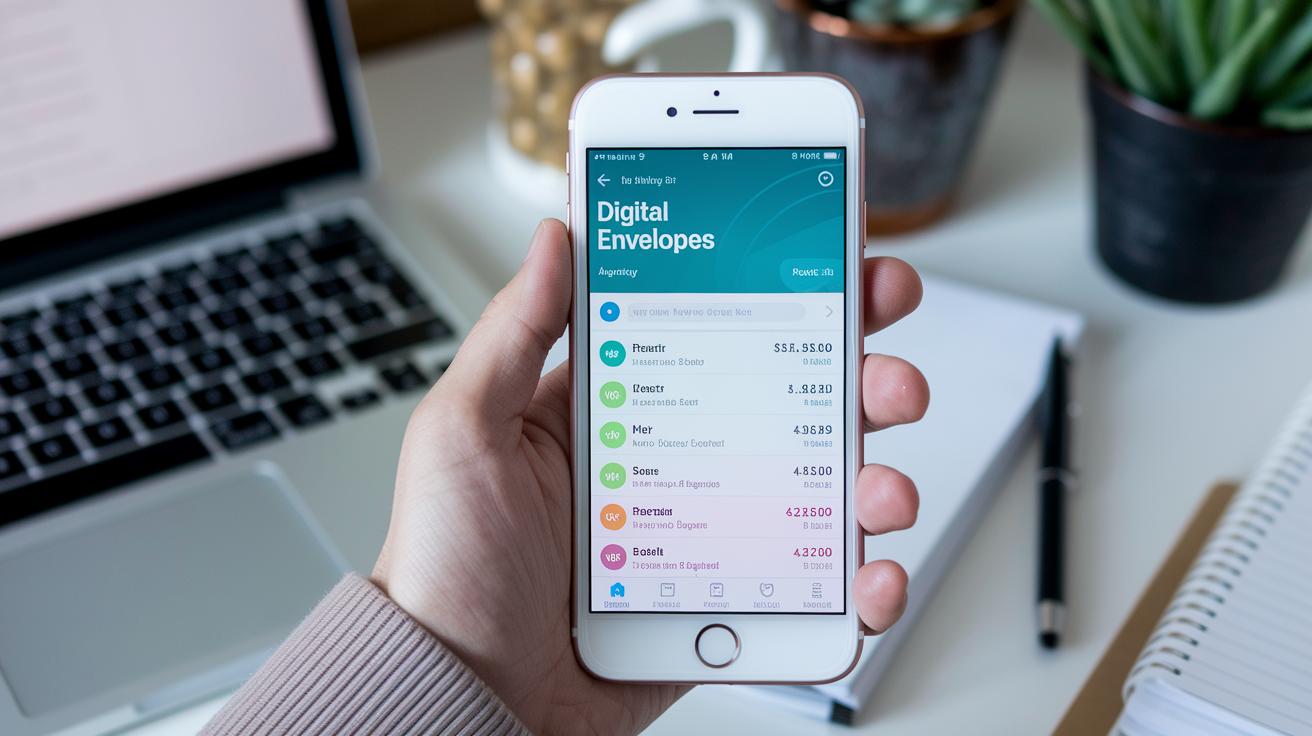
Digital envelope budgeting is a fresh way to take charge of your money. It turns old-school cash envelopes into digital compartments you set up on your phone. This means you can see your spending as it happens without ever having to pull out cash.
With these tools, you can split your paycheck into different envelopes either by percentage or by fixed amounts. You can also use both virtual and physical cards to access your envelopes, making everyday purchases both easy and secure. Plus, some apps let you get a virtual card instantly for smooth online shopping if cash isn't your style.
Many apps come with handy extras, like an auto-lock feature to help stop overspending and simple analytics that show where your money goes. These insights let you adjust your budgets with confidence. And recent updates even add protected savings pockets with competitive interest rates like 3.5% and smooth funding options.
If you're curious about how manual methods compare to automated ones, check out the Zero Based Budgeting Guide. In truth, digital envelope budgeting brings convenience, tighter security, and smart insights right into your cash management strategy.
Envelope Budgeting Versus Other Budgeting Methods
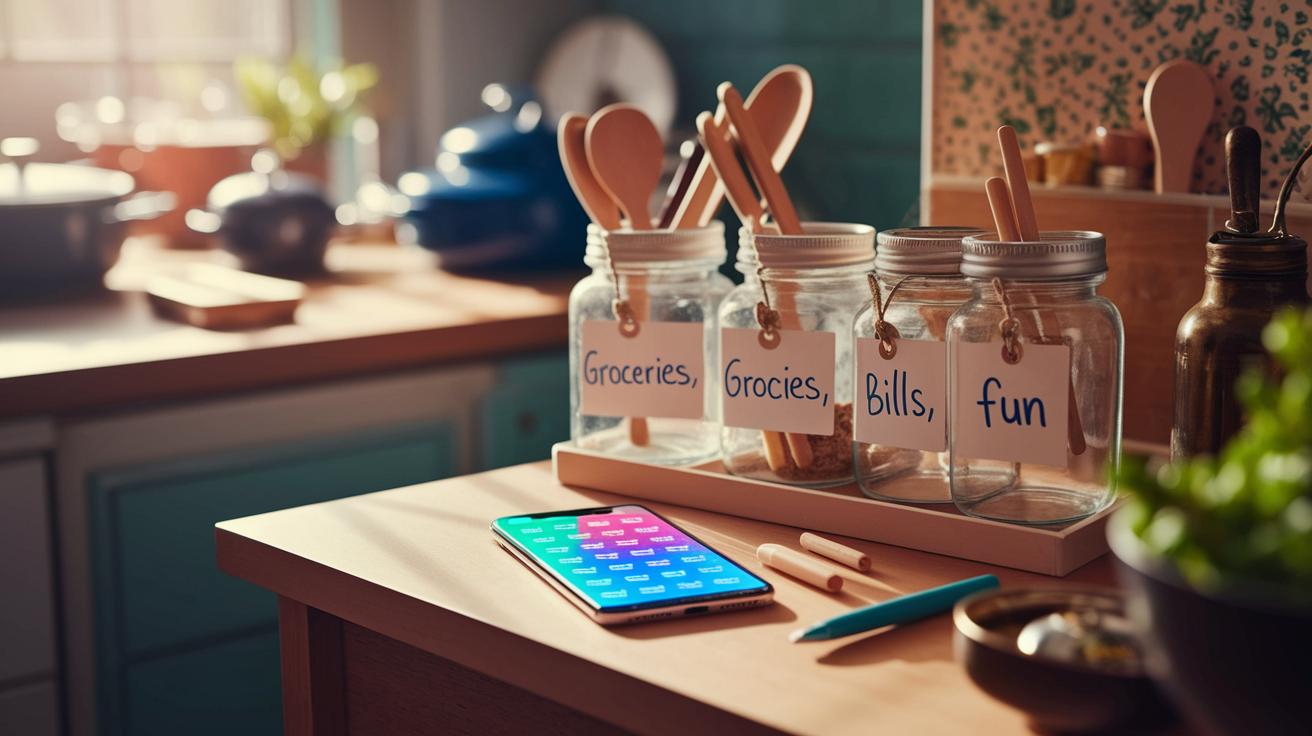
Envelope budgeting is like putting cash into separate jars for groceries, bills, and fun. This way, you instantly know when one jar is running low.
Zero-based budgeting, on the other hand, gives every single dollar a job right from the start. So if you earn $1,000, you decide ahead of time how much goes to groceries, bills, savings, and everything else, with nothing left over.
Digital envelope tools simplify things further. Imagine an app that automatically splits your paycheck into different digital jars with just a few taps on your phone.
Traditional envelope budgeting is free and hands-on, but it does require careful tracking. Digital options might charge a little fee each month or year. In return, they let you create as many envelopes as you need and offer instant updates on your spending.
If you like planning every dollar before the month starts, zero-based budgeting might be best for you. But if you prefer seeing your spending in real time, envelope methods could be the way to go. Both approaches help you take control of your money, so it all comes down to what feels right for you.
Best Practices for Successful Envelope Budgeting
Let’s take envelope budgeting to the next level. Instead of just keeping the basics, try setting up a separate envelope just for surprise costs. Think of it like a safety net. For example, imagine a freelance designer who tucks away extra earnings into this envelope during busy months so she’s set for slower periods. I once heard about a top designer who saved 15% of her income during peak times to cover leaner months, how smart is that?
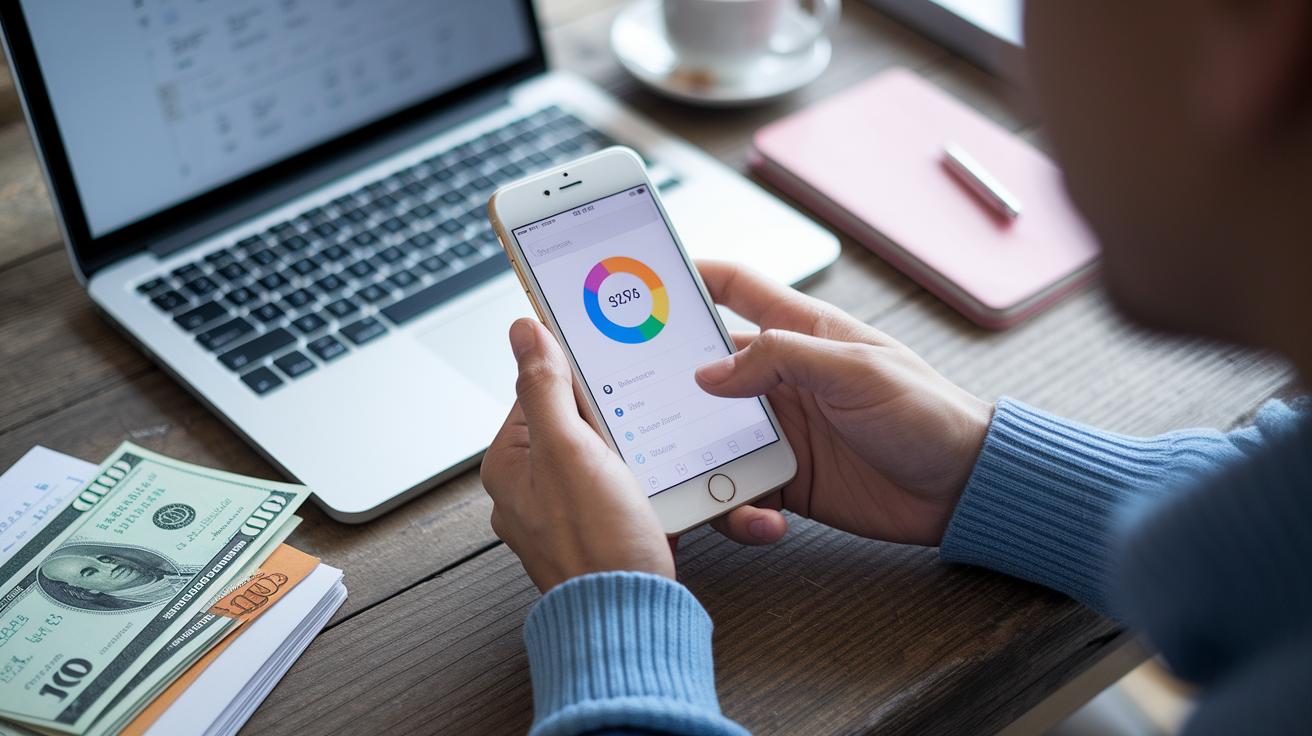
Now, pair your cash envelopes with a simple expense tracker app. After a fun dinner out, you can quickly log the meal expense on your phone. This way, your cash envelope plans and digital records move in sync, making it easier to see your spending in real time.
Another neat trick is to create envelopes for those irregular costs, like car repairs or yearly subscriptions. Instead of borrowing money from one envelope to fill another, put aside a specific part of your income for these occasional bills. Picture a working mom who made a special envelope for holiday gifts; it saved her from any last-minute money stress and kept her budget on track.
Also, it can help to do a quick review in the middle of the month. If you notice that you’re not spending all the money in your dining envelope, e.g., you can move the extra cash to cover bills that turned out higher than expected. A teacher I know once made these little changes mid-cycle and found the whole month flowed much better.
| Envelope Category | Advanced Strategy |
|---|---|
| Buffer | Set aside extra funds during high-income months |
| Digital Logging | Keep track of cash spending with an expense app |
| Intermittent Expenses | Create a dedicated envelope for periodic costs |
| Mid-Month Review | Shift funds based on spending trends |
Final Words
In the action of managing your money, you've seen how envelope budgeting divides expenses into clear, hands-on categories. This method shows you exactly where every dollar goes, whether it's for groceries, dining, or unexpected costs, making spending control tangible. You've explored traditional cash envelopes, digital alternatives, and compared these methods with other budgeting styles to help you choose what best fits your style. Keep using envelope budgeting as a tool to empower your spending choices, step by step, toward a brighter financial future.