

Have you ever thought about treating your money like a garden? Taking care of your finances means more than just paying bills. It’s about building a secure foundation that covers your everyday needs and prepares you for unexpected surprises. Imagine giving your plants a little water each day so they stay healthy, no matter what comes their way.
In this guide, we’re going to share simple money tips that help you keep track of what you own, manage any debts, and tweak your budget as life shifts around. Every small step can make a big difference, and together, we’ll learn how to make every dollar count.
Defining Financial Health: Understanding the Basics

Financial health is more than just watching your paychecks or keeping track of monthly bills. It means having enough stability to cover everyday costs like groceries and rent, and also being ready for those surprise expenses, like a sudden car repair or an unexpected medical bill. Think of it like looking after a garden: you water and nurture it regularly so it can grow strong, even when unexpected weather pops in.
Checking your money’s health involves a few simple ideas. One helpful trick is to compare what you own (your assets) with what you owe (your debts). This little calculation gives you a clear glimpse of your net worth, letting you know if you’re building wealth or could use a bit more care with managing your money. It’s a bit like checking on a recipe while baking; you may need to add a pinch more of one ingredient to keep everything balanced.
Remember, financial health isn’t a one-time deal, it keeps changing just like your life does. A new job, a move, or a changing family situation means it’s time to review your money plan. Keeping an eye on your spending, setting aside a little savings for rainy days, and updating your budget can make a big difference. It’s like knowing that your money is quietly working for you, giving you the confidence to handle everyday expenses and unexpected challenges with ease.
Measuring Financial Health: Key Metrics and Scoring Methods
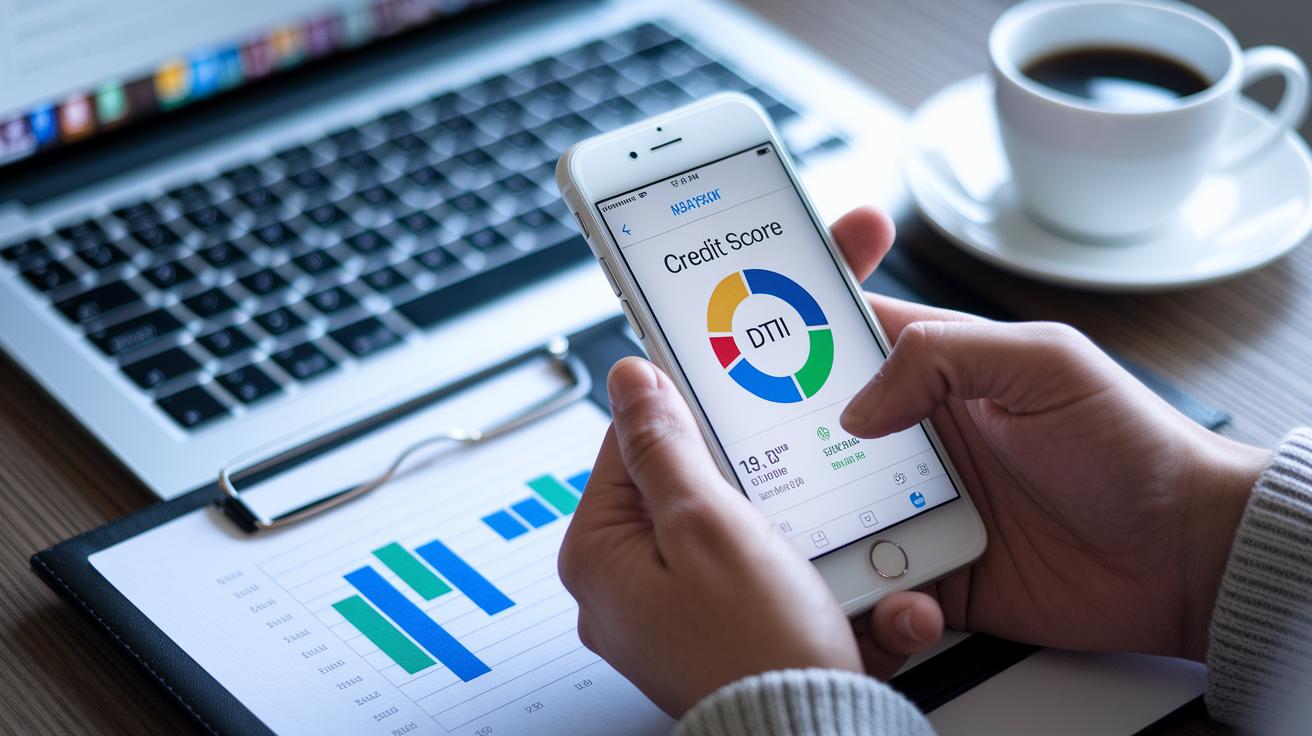
Building a solid money habit starts by knowing exactly where you stand. Your credit score, which usually falls between 300 and 850 (based on FICO), shows how well you handle debt. I remember a friend sharing how her 720 score helped her grab lower loan rates. It’s a nice nudge that small improvements can really pay off.
Next up is your debt-to-income ratio, or DTI. This number tells you how your monthly bills, like your mortgage, credit cards, student loans, and auto payments, stack up against your income. Think of it like following a recipe; if the ingredients (or bills) aren’t balanced, the result just won’t work out.
Then, take a peek at your net worth. That’s simply what you own minus what you owe. It’s like checking the temperature of your savings to see if your money is warming up or if you might need to make some changes.
Cash flow is truly the heartbeat of everyday finances. Keeping an eye on it shows whether money is coming in and going out as planned. And don’t forget to build an emergency fund, it’s a lifesaver when unexpected storms hit.
If you’re a business owner, you might also want to track profitability and solvency. These numbers help you see how well your business covers its debts and makes earnings. Being aware of your economic resilience will really help you handle any surprises along the way.
A great trick is using a fiscal health score calculator. It wraps up your credit score, DTI, net worth, cash flow, and more into one easy-to-read picture. This tool can guide your money choices with clear, step-by-step insights.
Optimizing Financial Health: Strategies for Debt Reduction and Credit Improvement

The first step to handling your debt is to tackle the ones with the highest interest rates. Paying these off first helps cut down on extra charges and makes your monthly payments lighter. If you’re juggling several debts at once, think about combining them into one payment. This can lower your interest rate and simplify your budgeting. Try listing all your debts with clear due dates so you can see which ones hurt your credit score the most.
Paying your bills on time is key when you want to boost your credit. Setting up automatic payments or reminders can keep you on track so you never miss a due date. It’s also a smart idea to check your credit report regularly. If you spot any errors, dispute them right away to stop these mistakes from dragging down your score.
Remember to keep your credit card balances below 30% of their limit. Doing this shows lenders that you can manage your spending wisely. Keeping an eye on your debt-to-income ratio (DTI) also gives you a clear picture of your financial health. Lowering your DTI makes you a more attractive borrower and helps keep your finances strong.
By following these steps, you might even find expert debt advice that’s just right for you over at EmpowerHerWealth.org. Every step you take brings you closer to safer money management and a brighter financial future.
Keep checking your progress and tweak your repayment plans as needed. This ongoing review can boost your credit score even more and help keep your debt-to-income ratio low.
Building Financial Health: Budgeting, Expense Tracking, and Emergency Funds

Start by making daily banking a habit. Think of your budget like a meal plan, where you list your income (the ingredients) and your expenses (the recipes) so you always have what you need for a fulfilling day. Even small costs, like your morning coffee, add up and can show you where your money is really going.
Next, grab a notebook or try an online tool like the monthly budget planner. Write down every dollar you spend each month. When you ask yourself, "Where did my money go today?" it helps you catch little leaks early. This way, you can fine-tune your spending and keep your budget strong, even if your income shifts.
Set aside a little nest egg as an emergency fund. Picture this fund as your safety cushion that covers 3 to 6 months of living expenses. Whether it's an unexpected car repair or a sudden change at work, this cushion gives you the breathing room to handle life’s surprises without stress.
Lastly, do quick check-ins with your money habits. Ask, "What small change can boost my savings?" Using simple tracking methods lets you catch spending habits early and add a bit more to your savings each week.
- List all monthly expenses.
- Review your spending weekly.
- Update your budget when your income changes.
financial health: Flourish with Wise Money Tips

Investing early can set the stage for a brighter financial future. Think of it like planting a tiny seed that eventually grows into a tall tree. When you put money into an employer-sponsored 401(k) or an IRA, compound interest (earning money on your earnings) helps those small savings blossom over time.
Aligning your investments with what matters to you is key. Maybe you’re saving for a cozy home or planning for a comfortable retirement. Try setting a specific monthly savings goal and keep track of your progress. It feels so empowering to know exactly what you’re working towards.
It’s smart to keep an eye on your investments as you go. Regularly reviewing your strategy helps you balance growth with protection. This means adjusting your portfolio when market changes strike without getting overwhelmed by the daily ups and downs.
Spreading out your investments is another great tip. When you mix your money among stocks, bonds, and other options, you create a safety net that can help cushion the impact of market swings. This variety can smooth out the bumps while still leaving room for growth.
Let your plan for retirement guide your steps. Smart financial tips remind you to review and adjust your goals along the way. Every little effort today builds toward a secure and joyful tomorrow.
Sustaining Financial Health: Monitoring, Tools, and Action Plans

Try using modern digital tools that give you a clear, real-time glimpse into your money matters. Instead of the old-fashioned way of checking things manually, let automated systems handle tracking your expenses, savings, and investments.
Picture this: You glance at your dashboard and see, "Your savings increased by 10% this quarter." It feels just like getting a friendly notification on your phone, celebrating a little win along the way.
Today’s financial apps are like your personal money helper. They send instant alerts, create detailed reports, and even notice patterns in your spending. For example, you might get a message that says your system spotted recurring extra charges during weekly expenses, helping you tweak your savings plan smartly.
- Try out digital record keeping tools that keep your financial picture fresh.
- Use planning templates that connect with your accounts to sort your transactions automatically.
- Enjoy progress updates that offer quick insights without needing a manual check every time.
These smart strategies can really transform how you manage your cash, moving from routine check-ups to making informed, real-time decisions about your financial future.
Final Words
In the action, this post dives into what financial health means, covering basic concepts, key metrics, and practical tips for budgeting and expense tracking. It offers easy-to-follow methods to reduce debt, improve credit, and build long-term wealth through investments. Every section is designed to help you keep things clear and manageable, empowering you with simple tools to support your financial health. Keep moving forward with confidence and positivity, each step builds a stronger foundation for your future.
FAQ
What are some financial health examples?
Financial health examples include making a budget, tracking spending, building emergency funds, and managing debt so you can handle everyday expenses and unexpected costs with ease.
What defines the financial health of a company?
The financial health of a company reflects its balance sheet, consistent revenues, sound cash flow management, and capacity to meet current and future obligations reliably.
What is Financial Health Credit Union?
Financial Health Credit Union refers to a financial institution that focuses on smart money management by offering services like savings, loans, and personalized financial advice to help members secure their economic well-being.
What’s a synonym for financial health?
A synonym for financial health is personal economic wellness, which means having balanced income, controlled expenses, and a plan to build financial stability.
Why is financial health important?
Financial health is important because it creates a solid base for covering everyday expenses, preparing for emergencies, and meeting future financial goals, leading to overall economic security.
What is the Financial Health Network?
The Financial Health Network brings together individuals and groups who share tools and resources designed to improve money management, empowering everyone to boost their economic well-being.
What can I learn from financial health articles?
Financial health articles offer clear tips, practical examples, and up-to-date insights on budgeting, saving, investing, and debt management to help you make informed money decisions.
Where can I find financial health news?
Financial health news provides updates on money management trends, policy changes, and expert advice from reputable sources, keeping you informed about ways to strengthen your economic standing.
What is financial health?
Financial health means having the right mix of income, savings, and controlled debt so you can cover bills, build savings, and feel secure about your future expenses.
Is Financial Health a legit company?
When backed by transparent operations and trusted financial practices, companies using the name “Financial Health” are generally considered reputable in providing money management services.
What are the four keys to financial health?
The four keys to financial health typically involve budgeting, saving, managing debt, and planning wisely for investments—each a building block for stronger economic stability.