

Have you ever thought that everyday items like gold or coffee might help keep your money safe? It’s like having a backup plan when your regular investments feel a bit shaky.
These real, touchable assets act like a safety net when markets get rough. Imagine them as a strong bridge that helps you cross over uncertain financial times.
This post explains how picking a few of these simple, steady options can bring balance, ease, and even a little calm to your money plan.
Popular Commodity Choices for Investors

Commodities can be a natural boost for your investment portfolio. They work like a safety net, helping you spread your assets and offering a buffer when inflation or shaky stock markets hit. They usually move on their own, so when one part of your portfolio stumbles, they can help smooth things out. Think of buying gold as keeping a secure reserve when other investments feel a little unsteady.
There are a few key types that many investors find attractive. Precious metals like gold and silver act as safe stores of value (they help keep your wealth steady when prices go up). Energy products, such as crude oil and natural gas, respond to changes in global demand. And then there are agricultural commodities like wheat, corn, and coffee, which capture everyday consumer needs. Picture each of these as a building block that adds strength and balance to your overall strategy.
Many women are finding practical ways to tap into these raw assets. Some choose to invest in physical precious metals, while others prefer mutual funds or ETFs that focus on these assets. This approach keeps things simple while still letting you enjoy the security of tangible investments. If you're exploring commodities as part of a bigger plan, check out Investing for women at https://empowerherwealth.org?p= for more empowering insights to help guide your financial goals.
Commodity Price Determinants and Market Trends

Commodity prices change largely because of simple supply and demand. When more people want a product or when there isn’t much of it around, prices tend to rise. Sometimes, events like natural disasters or sudden new policies make these changes even more dramatic. For example, on February 10, 2025, tariffs raised steel and aluminum duties to 25%, which put extra pressure on supply chains. You can check out how these shifts happen by visiting Tariffs and Stock Market at https://nftcellar.net?p=748. During the COVID-19 pandemic, a quick drop in demand made oil and gas prices fall fast, showing how global events can change the market in a flash.
Investors have a lot to watch when it comes to commodity prices, and knowing these factors can help you spot market trends that might affect your investments. Here are the key drivers to keep an eye on:
- Supply levels and production rates
- Trends in consumer demand
- Geopolitical events and conflicts
- Weather-related disruptions
- Regulatory changes and tariffs
Paying attention to these influences is like tuning into the market’s heartbeat. It can really help you make smarter financial choices, even when things feel uncertain.
Commodity Investment Vehicles and Access Points

There are many ways to add commodities to your portfolio. You can pick up a physical asset or access the market indirectly. Each route has its own benefits and challenges, so you'll find an option that fits your style and comfort with risk.
Physical ownership means buying things like coins, bars, or even bulk agricultural goods. Holding a real asset can feel very reassuring. But it can also come with higher buying costs and extra fees to store the item. It’s a simple and direct way to own something valuable, such as gold or silver.
Mutual funds and ETFs let you invest in commodities without the hassle of storage. They bundle commodities into one easy-to-trade product. This gives you practical diversification, which can help reduce overall risk in your portfolio. Plus, it works great if you like being able to buy and sell quickly.
Futures contracts mean you agree to trade a set amount of a commodity at a pre-determined future date and price. This approach gives you a chance to benefit from short-term price changes without owning the actual commodity. It does require a strong sense of timing, and you could face losses if the market shifts unexpectedly.
Another option is to invest by buying shares in companies that work with commodities, like those that mine or drill for resources. This way, you get exposure to the commodity market along with the ups and downs of the stock market. If you’re interested in trading stocks, check out How to start investing at https://empowerherwealth.org?p=114 for simple steps to open your account. This route offers liquidity and the chance to grow with the company, though it does come with typical business risks.
| Vehicle | Pros & Cons |
|---|---|
| Physical Ownership | Tangible asset but higher costs and storage needs |
| Mutual Funds and ETFs | Easy access and diversification vs. management fees |
| Futures Contracts | Potential for quick gains vs. complexity and risk |
| Equity Stakes in Resource Producers | Liquidity and growth potential vs. stock market volatility |
Commodity Investment Risks and Mitigation Strategies

Investing in commodities can feel like riding a roller coaster. Price swings might leave you feeling a bit uneasy. When supply or demand changes unexpectedly, when buying physical assets is expensive, or when grappling with futures contracts (agreements to buy or sell something in the future), the uncertainty can pile up. Remember how oil prices went negative during the COVID-19 crisis? That was a wild surprise! That’s why many experts recommend putting only about 5 to 10 percent of your portfolio in commodities. This way, you limit potential losses while still leaving room for gains.
Taking on these risks means keeping an eye on different factors and not putting all your eggs in one basket. It helps to review costs, watch how the market reacts, and handle futures with extra care. With some thoughtful planning, you can join the commodity market without its ups and downs taking over your overall strategy.
| Risk | Mitigation |
|---|---|
| Extreme Price Volatility | Limit exposure to 5-10% of your portfolio |
| High Transaction Costs | Consider ETFs or mutual funds instead of direct physical purchases |
| Leverage in Futures | Practice careful risk management and avoid excessive borrowing |
| Market Shocks | Keep an eye on global trends and adjust allocations as needed |
Balancing risk and reward is all about staying proactive, doing your homework, and being flexible. With these smart steps, you can dip your toes into commodity investing without letting sudden market shifts derail your plans.
Commodities in Portfolio Diversification Strategies
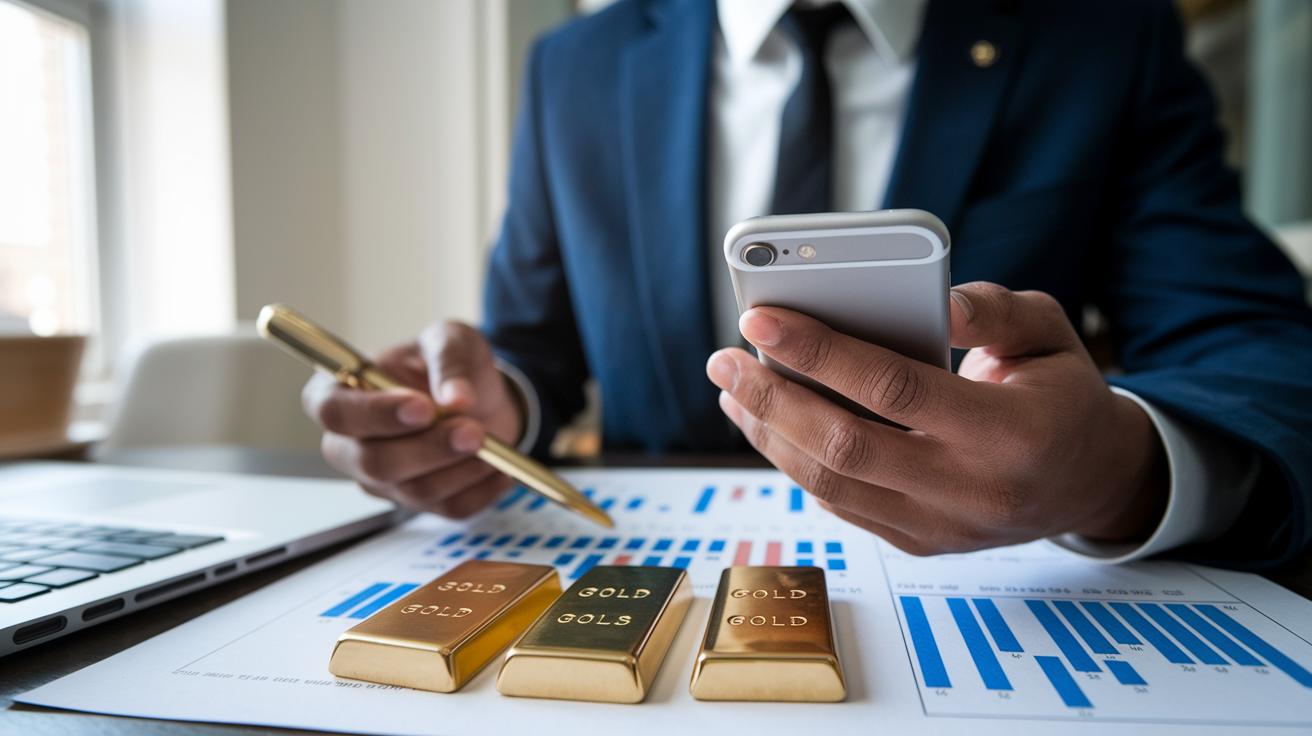
Adding commodities to your portfolio can smooth out the bumpy ride of investing. They often move differently than stocks and bonds, so when inflation makes prices rise, hard assets like gold, silver, or energy tend to keep their value. Think of this as a safety net that helps keep your money’s buying power strong. Plus, with special IRAs and ETFs, you can invest in these assets without having to worry about storing them yourself.
Bringing commodities into your mix gives your financial plan an extra boost. They act like a steady counterweight when other investments are all over the place. Over time, this can protect you against rising costs and add long-term value to your portfolio.
Here are some simple steps to include commodities in your strategy:
- Mix a small portion of hard assets with your stocks and bonds to lower overall ups and downs.
- Consider commodity-focused ETFs or IRAs to invest smoothly without the hassle of owning them directly.
- Dedicate a specific part of your funds to commodities to help guard your portfolio against inflation.
Commodity Investment Timing: Entry and Exit Tactics

Many savvy investors rely on technical analysis to guide their commodity trading. They study charts, moving averages, and momentum indicators to spot trends. Imagine watching a steady climb followed by a slight dip, that may be your cue to buy. In fact, during the oil price crash in 2020, sharp traders used these signals to adjust their positions quickly when prices began to stabilize.
Investors also turn to fundamental analysis by examining news and events that impact markets. Big moments, like the 2020 oil crash or shifts in metal tariffs in 2025, show how external events can change commodity prices. By keeping an eye on economic news, political changes, and the balance between supply and demand, you can better decide when to enter or exit a trade.
Check out these tips:
| Tip | What to Watch |
|---|---|
| Technical Patterns | Signs of new momentum |
| News Breaks | Economic and political updates |
| Moving Averages | Trends and reversals |
| Past Cycles | Signals before major price changes |
Using both technical and fundamental analysis is like getting directions before a road trip. It helps you see the big picture and decide on the best route for your trading journey.
Final Words
In the action of building wealth, this article showed how investing in commodities like gold can bring balance to your portfolio. We covered popular choices, what drives their prices, and the various methods to own them. You learned how to manage risks while adding raw assets to your mix and strategies to time your entry and exit. Every step helps make your financial habits stronger. Keep moving forward to secure a lasting and positive financial future.
FAQ
Q: What is a commodity in investing?
A: A commodity in investing is a physical asset like gold, oil, or wheat that people trade to diversify their portfolios and shield against inflation and market ups and downs.
Q: Which is a commodity someone might invest in Quizlet?
A: The commodity someone might invest in, as seen on Quizlet, could be precious metals or energy products—tangible assets that play a role in a diversified, inflation-protected investment plan.
Q: Based on the graphic, what advantage does this 401k have over other types of investments?
A: This 401k holds the advantage of offering a diversified mix, potentially lower fees, or unique allocation strategies that help balance risk while targeting steady, long-term growth.
Q: What are common mistakes people make when investing?
A: Common investing mistakes include a lack of proper research, chasing quick returns, ignoring risk management basics, and letting emotions drive decisions instead of a clear, long-term plan.
Q: Which investment option would best meet William’s needs?
A: The best option for William depends on his financial goals and risk comfort—methods like ETFs or even physical commodities could provide the diversification and stability tailored for his situation.
Q: Which assets are considered both short- and long-term investments?
A: Assets such as stocks, bonds, ETFs, and commodities can serve both short- and long-term strategies since they offer liquidity for quick needs and potential growth over a longer period.
Q: Which investment has the least liquidity?
A: Investments in physical commodity ownership, like bulk metals or agricultural goods, typically have the least liquidity due to higher transaction costs and the practical challenges in quickly converting them to cash.
Q: How does analyzing economic change help in understanding an investment?
A: Analyzing economic change helps by revealing potential shifts in demand and supply, which in turn guides investors on risk management and timing decisions when dealing with price fluctuations.
Q: Which commodity is best to invest in?
A: The best commodity to invest in depends on market conditions and personal objectives; many find that precious metals like gold offer a reliable store of value during time periods of economic uncertainty.