

Ever thought about a world where everyone can use smart money tools? It might sound like a big dream, but five key moments in financial inclusion are sparking real change. Picture making smooth payments, keeping your savings secure, and finding new, simple ways to borrow money and stay protected. These ideas are shaping our neighborhoods and lifting all of us up, no matter where we live.
I like to think of these breakthroughs as a caring friend who’s there when things get tough. Each step moves us closer to fair opportunities for everyone. Curious to see how these milestones can spark bold growth for you and your community? Keep reading to find out.
5 financial inclusion Milestones Ignite Bold Growth

Financial inclusion means everyone gets the chance to use affordable financial tools when they need them. It’s like having a trusted buddy in your pocket that helps with everyday banking, guides you when times get tough, and even paves the way for growing your own wealth. This solid base makes people feel safe and supported, even when life throws a curveball.
It’s more than just opening a bank account. Think of it as getting a set of handy tools, like a savings jar, a way to send daily payments, a key to unlocking funds for new opportunities, and insurance for those unpredictable moments. When everyone can use these tools, our neighborhoods become stronger, and each one of us can carve out a brighter future.
- Payments: Easy ways to send and receive money.
- Savings: A secure spot for your money to grow over time.
- Credit: Quick access to funds for important investments.
- Insurance: A safety net to handle everyday surprises.
When these services are for everyone, they lay the first stone for resilient communities. Affordable financial tools help you plan for the good times and the unexpected ones too. Every step we take to boost financial inclusion lights the way for bold growth, empowering families and individuals to step into a future where economic opportunities are open to all.
Digital Transformation and Financial Inclusion Trends
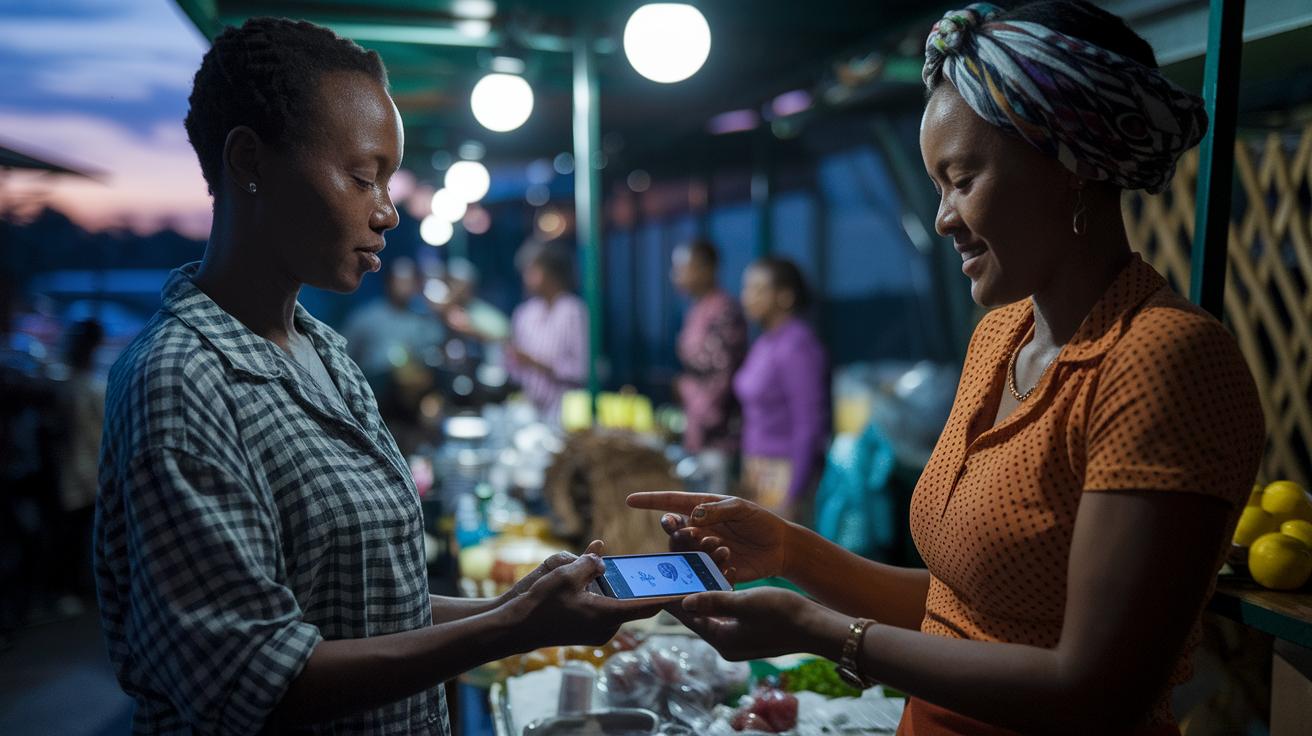
Fintech is changing the way people handle their money. Mobile banking, digital wallets, and other handy tools let you check your balance or send funds right from your phone, even while waiting for the bus. Imagine using your phone as a mini-bank to start a small business, even in areas without many physical bank branches. These digital services bring banking right into your hands, making it easier to make smart money choices.
In many parts of Africa and Asia, digital banking is opening up opportunities where traditional banks are hard to find. Families can now pay bills, save money, and send funds to loved ones with ease, all with a smartphone. It's like having a financial toolkit in your pocket that helps build a stable future for everyone.
A new idea on the horizon is a central bank digital currency, like the Digital Euro. This could offer a secure and private way to make payments, giving you more control over your funds while reducing the power of big companies. However, as with any new tool, we must make sure that everyone can use it safely and fairly.
Digital transformation in finance offers speed, simplicity, and wider access. At the same time, it pushes us to think about data security and fairness. The future of money is all about balancing new ideas with trust so that everyone feels safe and empowered in the digital world.
Barriers and Risks Hindering Financial Inclusion

A lot of people still run into problems finding safe and affordable financial services. Many women and underserved communities face steep fees that keep them from building wealth, and tricky practices like hidden costs and confusing terms erode trust in financial providers. As a result, folks miss out on chances to save, invest, or even cover everyday expenses.
Sometimes, even the way products are marketed adds to the struggle. In some parts of Europe, influencers push high-risk investments without fully explaining what’s at stake, leaving people exposed to risky choices. AI-powered ads might nudge someone toward a product that isn’t a good match, and confusing online designs, like endless pop-ups and hidden details, can push users into making decisions that don’t really work for them. Whether you’re in a busy city or a quiet town, these factors blur the path to steady financial health.
Here are some of the key barriers:
| Key Barriers |
|---|
| Cost |
| Infrastructure |
| Literacy |
| Trust |
| Regulation |
We need to clear these hurdles to open up better financial opportunities for all. By lowering costs, strengthening infrastructure, boosting financial literacy, building trust between consumers and providers, and enforcing fair rules, every woman and community can have a fair chance at economic growth. Tackling these risks means mixing better education, fair pricing practices, and honest, simple online designs that truly respect your choices. This approach not only protects individuals but also helps create a solid financial foundation for entire communities.
Policy Frameworks and Institutional Initiatives for Financial Inclusion

Governments, global organizations, and nonprofits are working together to build a fair system that ensures everyone can use basic money tools. Policy makers are launching programs to help people get access to savings, credit, and payment services. Projects by central banks, like the Digital Euro, prove that our leaders are keen to create secure and privacy-safe alternatives to common payment options. These efforts are important steps toward making finance work for all, including women and others who have been left out.
Many of these initiatives rely on global reports and reviews from groups like the IMF (International Monetary Fund, which studies world economies). These studies help show which ideas really make a difference. In addition, outreach programs and partnerships between public and private groups are working to connect regulated banks with communities that have been ignored for too long. This bond between policy and practice is key to building a system that is fair, clear, and empowering, helping families plan for daily needs and unexpected events.
Role of Advocacy Groups
Groups such as Finance Watch serve as strong advocates by pushing for smarter rules and new reforms. International nonprofits also support this work by doing research and offering unbiased checks on progress. This kind of effort helps policy makers adjust their plans so that more people can benefit, making sure that every change is both easy to measure and truly helpful for everyday folks.
Microfinance and Community Models for Financial Inclusion

Microfinance helps people in underserved areas kick-start their financial future without high costs. It offers small loans or credit to communities where traditional banks are few and far between. Many women and low-income groups have discovered that these small loans can ignite new business ideas or act as a safety net during hard times. It’s like having that caring friend who’s always there when you need a little boost.
Cooperative lending takes this support even further. In these setups, people join forces to pool their money and secure funds together. They might even meet weekly to chat about opportunities and challenges, making the whole process feel personal and trustworthy. This friendly, group approach makes accessing loans easier and builds a strong sense of community among neighbors.
These models also change the way collateral works. Instead of requiring expensive items as security for a loan, lenders lean on the community’s reputation and mutual accountability. Many microfinance programs also include training sessions that cover basic budgeting, saving, and simple business strategies. This empowers borrowers to make the most of their resources.
Across many rural areas, group-based solutions have led to inspiring success stories. Grassroots lending ideas, like those seen in community wealth building, light the way toward greater financial independence.
By mixing microfinance support with cooperative methods and practical training, communities can break through financial barriers and set the stage for bold growth and lasting change.
Future Innovations and Roadmap for Financial Inclusion

Financial technology is breaking down walls when it comes to banking for everyone. Traditional banks still offer simple payment accounts to handle daily transactions, and new tools bring extra choices. Imagine using decentralized finance to manage your money without always leaning on big banks. Plus, AI-driven credit scoring watches everyday spending habits to make smarter, fairer decisions.
Tech tools are sparking fresh ideas in credit scores, savings aides, and spending trackers. They simplify complicated choices so that you can clearly see your options. Really, this kind of change makes banking both down-to-earth and empowering.
Looking ahead, opening up banking for all means everyone can access the services they need securely. Digital currency options, like the Digital Euro, are paving the way to reduce our reliance on giant financial firms and encourage fair play. It’s a team effort where policymakers, banks, and tech experts update rules, build transparent systems, and offer easy-to-understand financial education. When smart data tools blend with trusted community advice, the chances for success multiply. This clear roadmap connects today’s practices to tomorrow’s breakthroughs, helping women and communities grow into strong, independent forces.
Final Words
In the action, we explored the basics of equal access to money services, digital tools reshaping finance, and policies protecting our economic rights. We broke down barriers and discussed community models that empower wealth-building, all framed by practical, everyday examples.
These insights remind us that every small step builds a stronger financial foundation. Keep using these strategies to grow your confidence and support lasting financial inclusion.
FAQ
What does financial inclusion mean and what is its meaning?
The financial inclusion meaning refers to equal and affordable access to essential services like savings, payments, credit, and insurance, empowering individuals to improve their economic well-being.
What does financial inclusion in banking signify?
The financial inclusion in banking signifies affordable access to bank services, such as opening accounts and obtaining loans, so everyone can build financial stability and contribute to community prosperity.
What are examples of financial inclusion?
The financial inclusion examples include mobile banking, microloans, and community lending programs, all designed to provide underserved communities with affordable and practical financial tools.
What does a financial inclusion PDF typically cover?
The financial inclusion PDF usually covers guidelines, reports, or research outlining how to make financial services accessible and affordable, offering insights into strategies for strengthening equitable finance.
What types of financial inclusion exist?
The types of financial inclusion range from digital banking and microfinance to cooperative lending and universal access programs, all aiming to meet the diverse financial needs of communities.
What is the importance and what are the objectives of financial inclusion?
The importance of financial inclusion and its objectives lie in ensuring that everyone can access affordable financial services, which helps build savings, manage expenses, and protects against economic setbacks.
What are alternative terms for financial inclusion?
Financial inclusion synonyms include terms like universal access to finance and inclusive banking, which stress the idea of making financial services accessible to all without discrimination.
What are the problems associated with financial inclusion?
The problems with financial inclusion involve issues such as high service fees, exploitative practices, and misleading digital tactics, which can impede access to fair and affordable financial products.
What determines the level of financial inclusion?
The determinants of financial inclusion involve factors like service infrastructure, regulatory policies, digital literacy, and affordability, all of which shape how effectively communities can access essential financial services.