

Have you ever wondered if you can really trust an online investment platform? These platforms let you manage stocks, mutual funds, bonds, and options right from your phone. It’s as easy as sending a text to a friend. Instead of long phone calls or awkward meetings, you get clear, simple tools and handy research that feel friendly. This makes it a smart way to invest, giving you confidence with every choice you make.
Key Features of Online Investment Platforms

Digital brokerages make it super simple to invest in stocks, ETFs (funds traded on the market), mutual funds, bonds, and options right from your computer or smartphone. They let you handle your investments anytime, anywhere, and you don’t have to talk to a human advisor. This is a real win for busy women who need clear and easy-to-use platforms.
People check out these platforms because each one brings its own unique strengths. Some platforms offer a wide range of investments, while others shine with a friendly design and handy research tools. Comparing them helps you pick the one that fits your investing style and puts education and support first.
- Asset variety
- Intuitive interface
- Research tools
- Education resources
- Customer support
These features matter a lot when making your choice. A good variety of assets means you can spread your money across different types of investments, which is key for building your financial future. An intuitive, easy-to-use interface saves you time and makes managing your account less stressful. Helpful research tools and clear education resources allow you to make smart, informed choices, no matter if you’re just starting out or already have some experience. And when questions pop up, strong customer support is there to help quickly. With the right mix of features, you can invest with confidence, knowing your platform is working as hard as you are to reach your goals.
Comparing Fees Across Online Investment Platforms

Comparing fees is super important because even tiny differences can really add up over time. When you invest, every dollar should work hard for you. Paying lower fees means more of your money stays in your pocket, so checking fee details is a smart move to avoid hidden costs.
Taking a closer look at fees shows you the true cost of trading. You might save money by choosing brokers with $0 fees on stock and ETF trades or by finding lower options fees if you trade often. By comparing details on commission-free trades and other charges, you can find a broker that matches your investing style and budget.
| Broker | Stock/ETF Fee | Options Fee | Account Minimum |
|---|---|---|---|
| Fidelity | $0 | $0.65 per contract | $0 |
| Charles Schwab | $0 | $0.65 per contract | $0 |
| Ally Invest | $0 | $0.50 per contract on 30+ trades/quarter | $0 |
| Interactive Brokers | $0 (Lite) / $1+ (Pro) | $0.65 per contract | Varies |
Reading the fine print on fee schedules can help you avoid those unwelcome surprises. Keep an eye on things like account minimums or inactivity fees so your investment plan stays both low-cost and effective.
Security and Compliance on Online Investment Platforms

Big brokers work hard to keep your money safe. They provide SIPC coverage that protects you for up to $500,000 in securities and $250,000 in cash. Many even add extra insurance so you can sleep easier, almost like having an extra safety net catching you when things get tough. Imagine knowing that your savings have a built-in backup, ready to step in if needed.
These platforms use strong tools like SSL encryption, two-factor authentication, and even fingerprint or facial scans to guard your info. Regulators like the SEC and FINRA make sure these online spaces follow strict rules to protect your money. It’s a bit like locking your door at night, you get that reassuring feeling that everything is secure.
So, always take charge of your personal account safety. Use strong, unique passwords, update them often, and use the extra multi-step checks your broker offers.
Trading Tools and Features on Online Investment Platforms

When you’re just starting out, the built-in features on trading platforms can really boost your confidence. They let you test out your ideas using fake money so you can learn without risking your cash. Many platforms make learning feel like a hands-on adventure. For instance, a demo account lets you practice trading just like you’re in a real market.
And when you’re on the go, mobile tools like demo account tutorials are a real lifesaver. They help both beginners and experienced investors find good opportunities without feeling lost.
| Tool | What It Does |
|---|---|
| Demo accounts | Practice trading with fake money |
| Robo-advisor | Automatically balances your investments (keeps your portfolio balanced) |
| Screeners | Filters investments based on your criteria |
| Charting | Helps you see market trends in a clear visual way |
| Real-time updates | Keeps you informed of market changes right away |
| Algorithmic trading | Uses computer programs to trade at high speeds |
Each tool has its own perk. A demo account lets you try strategies without risk, kind of like a practice round before the big game. A robo-advisor takes care of balancing your investments, which is perfect if you’re always on the move. Screeners help you narrow down your choices, and charting tools let you follow market trends easily. Real-time updates ensure you always stay in the loop, while algorithmic trading is for those who want to use smart tech for more advanced strategies. Whether you prefer doing things yourself or letting technology do the heavy lifting, there’s a tool that fits your style.
Choosing the right tools for your comfort level can be the difference between feeling overwhelmed and feeling empowered in your trading journey. They help you build your skills bit by bit and customize your strategy as you grow more confident with each decision.
User Experience and Reviews of Online Investment Platforms

Recent surveys show that many users are really happy with the top online investment platforms. Fidelity tops the list with a 4.8 out of 5, and Charles Schwab isn't far behind at 4.7. Robinhood earns a solid 4.3, while Webull comes in with 4.2. People love platforms that keep things simple and clear. For instance, many have mentioned that Fidelity’s website and mobile design make it easy to start investing, even if you’re new to digital tools.
When you take a closer look at things like layout, menus, and customization options, you can see how each platform stands out. Fidelity's design is praised for its clarity. Meanwhile, Robinhood’s simple look appeals to those who want a straightforward approach. And sure, Interactive Brokers might seem a bit challenging at first, but it offers customization that seasoned investors appreciate. This variety means there’s something out there for everyone, no matter your tech comfort level.
Good customer service also makes a big difference. Users really value platforms that offer quick and friendly support along with easy-to-follow guides for using the apps. This kind of help builds confidence and makes it easier to move from basic investing to more advanced strategies.
Getting Started with Online Investment Platforms: A Step-by-Step Guide
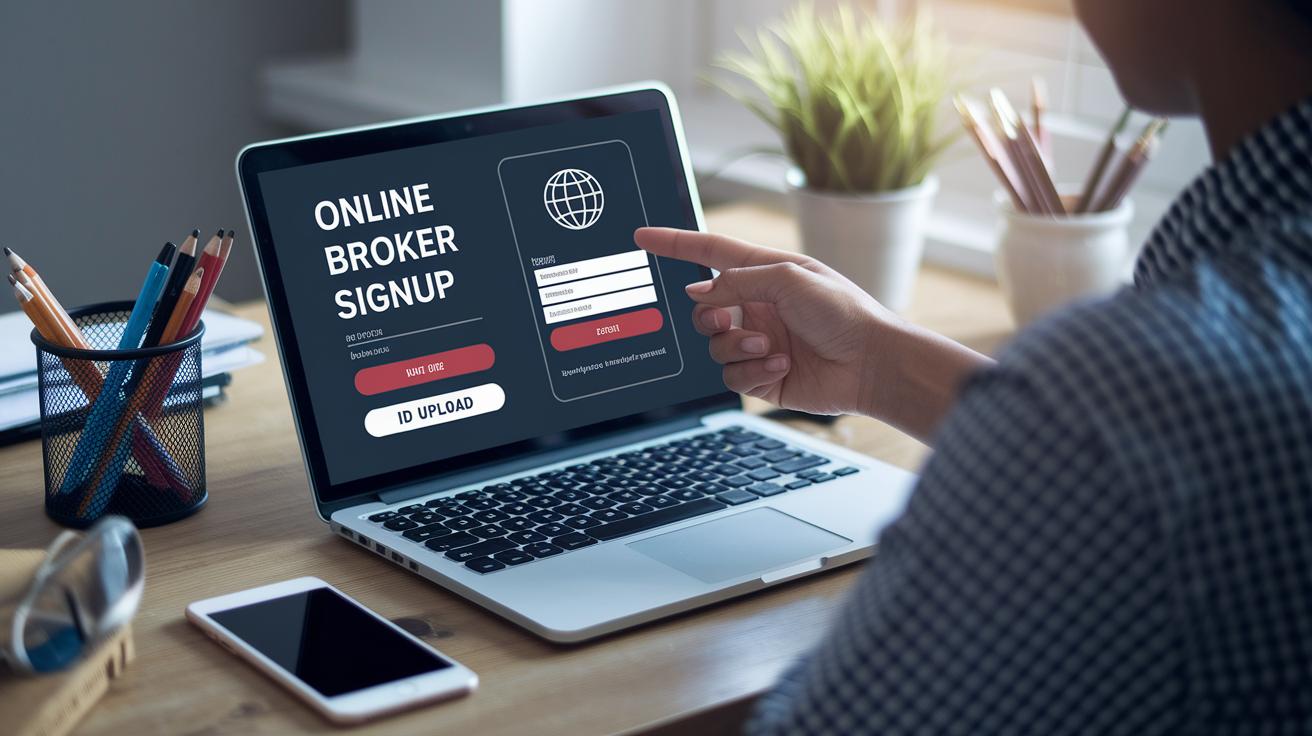
Diving into online investing can feel less intimidating when you have a clear, simple plan. Start by choosing a broker that feels like the right fit for you, look for a service with an easy sign-up process and features that match what you need.
First, do your research and pick a provider who makes registering easy. Then, fill out the online application carefully so everything goes smoothly. Next, verify your identity by uploading a valid ID or photo to keep your account secure.
After that, connect your bank account for smooth transfers (this means linking your money so you can move it easily using systems like ACH, which is just a way banks move funds electronically). Once your funds are in, give it 2 or 3 business days to clear, and you’ll be ready to jump in.
It’s also important to decide between a cash account and a margin account. If you’re just starting out, a cash account is usually best, it cuts down on extra fees and risks. Margin accounts, which allow you to borrow money to invest, require extra agreements and can be more complex.
When you feel ready, try placing your first order. If you’re nervous, consider practicing on a demo account or using paper-trade mode (a practice setup where you can try trading without using real money).
Before making real trades, it’s a smart idea to get comfortable with a demo mode. This way, you learn how to use the tools without any pressure and avoid common setup mistakes. And if you’re on the fence about choosing a cash or margin account, starting with cash can be a great way to build your confidence step by step. For extra help, check out blogs, tutorials, or trusted financial education sites that offer more tips and guidance.
Final Words
In the action, the article stepped through key features, fee comparisons, security steps, trading tools, and user insights. It showed how clear, friendly steps open the door to setting up accounts and making informed choices. Each section painted a picture of how structured guidance turns financial theory into practical steps. The details shared here empower you to see online investment platforms as valuable tools that make financial independence feel closer than ever. Let this insight drive you forward with confidence and excitement in managing your wealth.
FAQ
Q: What are online investment platforms that pay daily and are free for beginners?
A: The phrase “online investment platforms that pay daily” refers to platforms where you might see daily returns or interest. Many such platforms are free and designed with beginner-friendly features to help you learn and invest with low stakes.
Q: What are top online investment platforms and which is the best one?
A: When we discuss “top online investment platforms,” names like Fidelity, Charles Schwab, and Robinhood come to mind. Fidelity is often highlighted for its easy-to-use design and helpful educational tools for beginners.
Q: What online crypto investment platforms are available?
A: “Online crypto investment platforms” let you trade digital currencies with tools similar to those on classic broker sites. They focus on virtual assets, offering extra security measures and user-friendly features.
Q: How do free online investment platforms work?
A: “Free online investment platforms” let you set up accounts without fees and typically offer commission-free trades. These platforms are perfect for testing the waters and gaining practical investment experience without a heavy upfront cost.
Q: How can I make $1000 a month investing and what does it take to earn $3000 a month?
A: Making $1000 or $3000 a month from investing means planning and consistently investing in a mix of assets. It involves balancing risk, reinvesting profits, and sometimes committing a larger sum to help grow returns steadily.
Q: How much is $1000 a month invested for 30 years worth?
A: Investing $1000 each month over 30 years at an average annual return can yield significant growth because of compounding. Over time, these regular contributions may multiply substantially in value.
Q: What is the answer to the online investment platforms crossword clue?
A: The clue “online investment platforms” in a crossword puzzle typically hints at a short, common term—often “broker”—though the exact answer may vary with the specifics of the clue.